
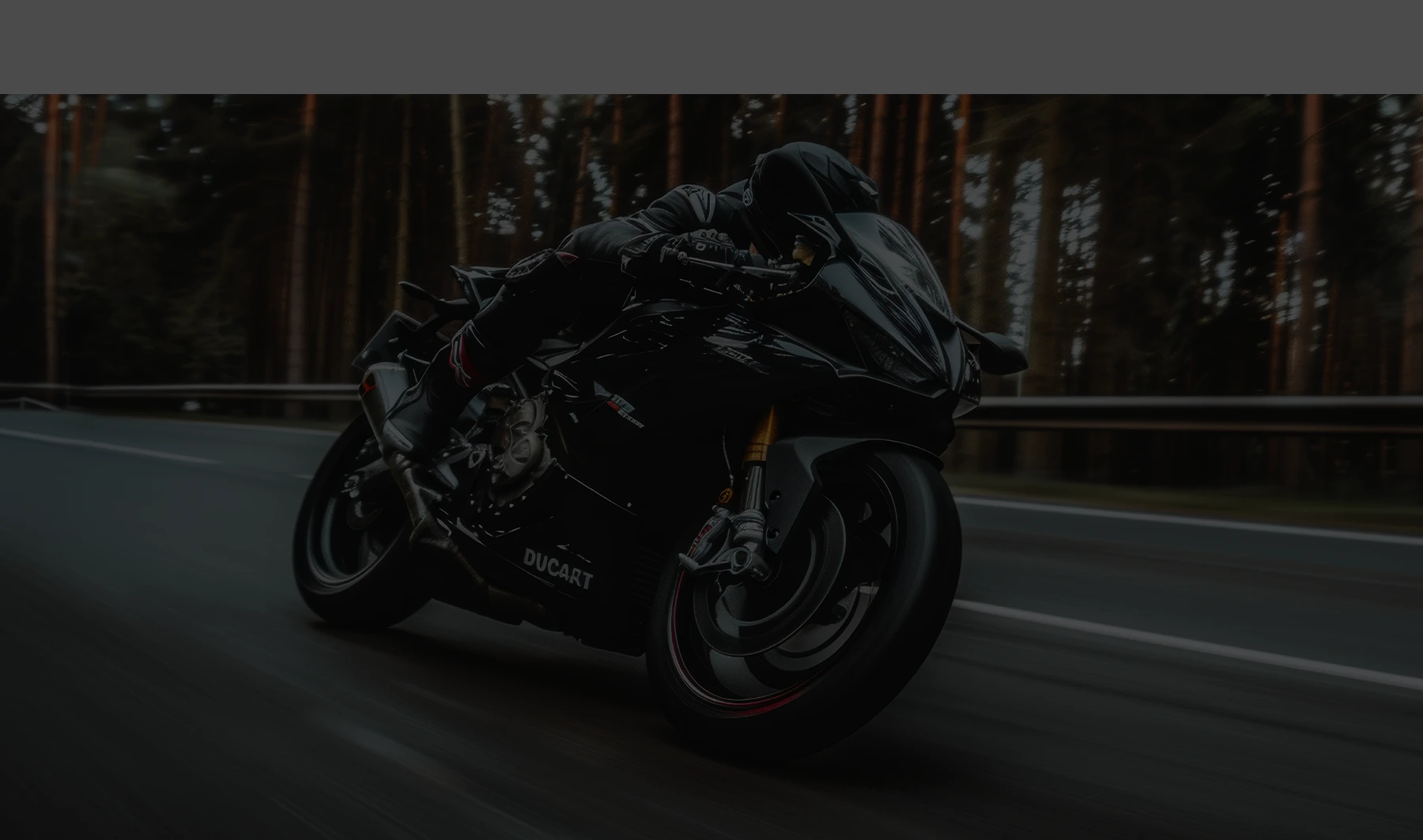

The complete motorcycle riding and maintenance experience
Safety, fun, and adventure



Essential parts for maintenance and repair


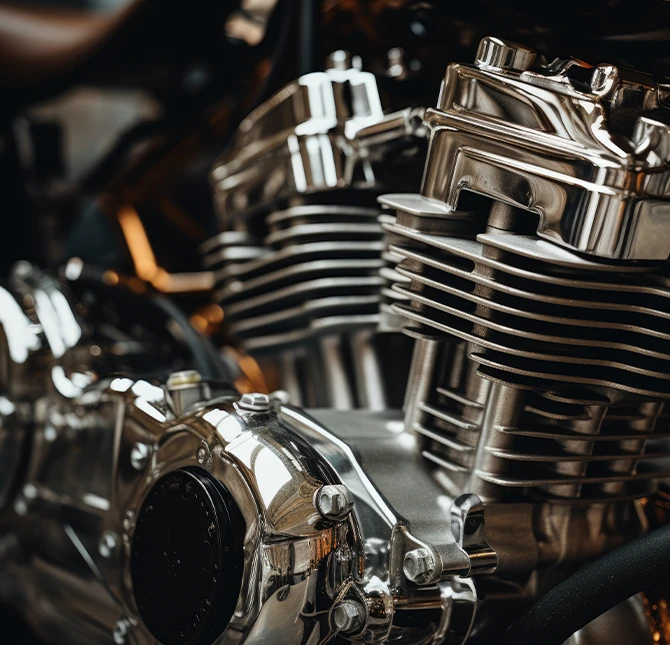
Engine
Combustion provides torque to propel the powertrain.

Frame
Chassis supports components and ensures structural rigidity.

Suspension
Absorbs road impacts for handling and stability.
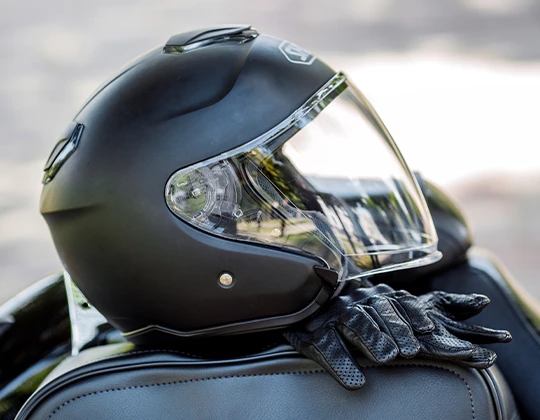
Helmet
DOT-certified protection is mandatory for rider safety.
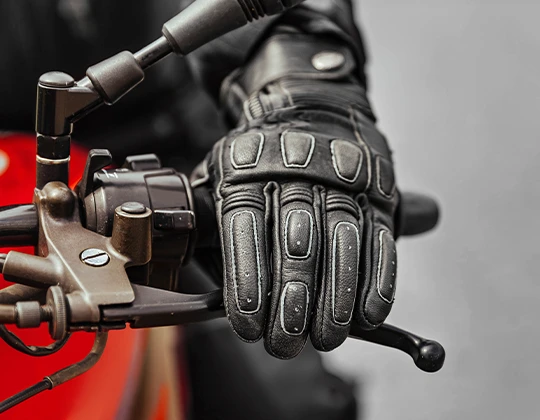
Gloves
Protect hands and improve throttle grip on handlebars.
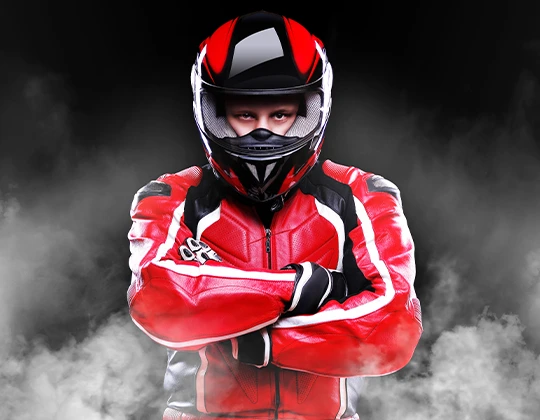
Jacket
Provide abrasion resistance with CE-rated reinforcements.
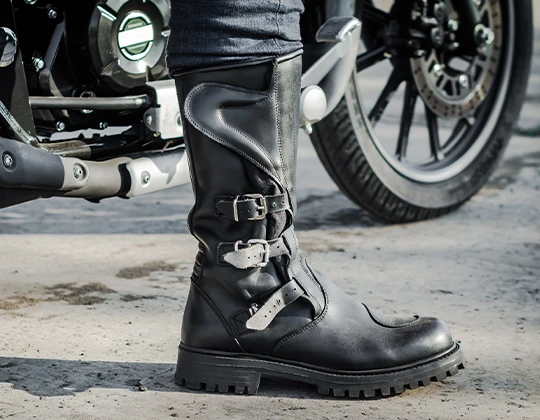
Boots
Protect ankles while ensuring shifter stability.
Essential luggage and tech accessories
The fundamentals of safe motorcycle riding

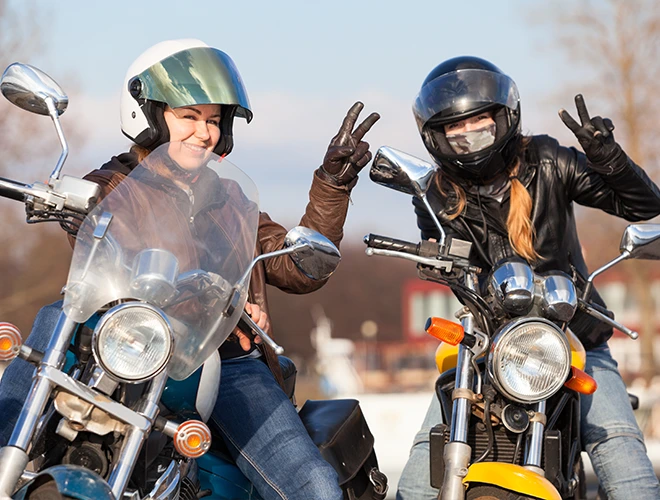
Protecting yourself and others
Defensive riding requires constant vigilance and compliance with traffic laws. Adopting an anticipatory approach allows you to quickly identify road hazards and brake in time. Wearing PPE, such as ECE-rated helmets and armored gear, significantly reduces trauma risk in the event of an incident.
Maintaining braking distance and respecting limits are crucial to avoid collisions. Finally, staying focused, avoiding distractions, and checking mirrors or blind spots ensure optimal lane discipline.
Planning your road trip safely
Everything about comprehensive motorcycle insurance and liability options
Motorcycle insurance
Buying motorcycle insurance isn’t just complying with third-party liability requirements. Choose policies tailored to your profile, whether for commuting, leisure, or track days. Additional options, such as collision, theft, or personal injury, provide protection for the machine and rider. Comparing premiums and checking deductibles helps avoid unpleasant surprises in the event of a claim.
Custom motorcycle
Improve style and performance
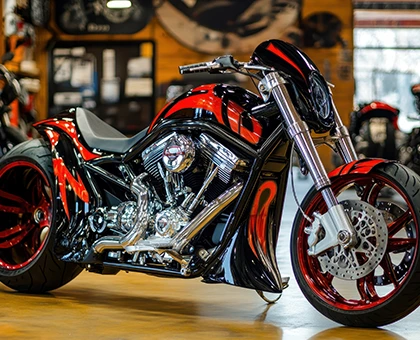
Aesthetics
Custom paint and fairing
Customizing decals or cowlings makes your motorcycle unique and recognizable.
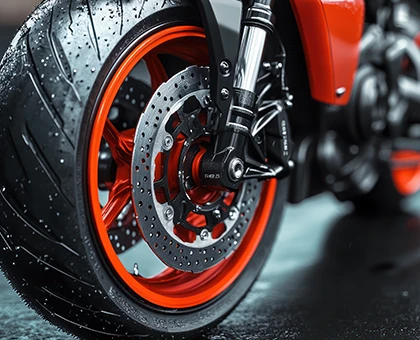
Wheels
Custom rims and tires
Aftermarket rims and soft-compound tires improve traction and give a unique look.
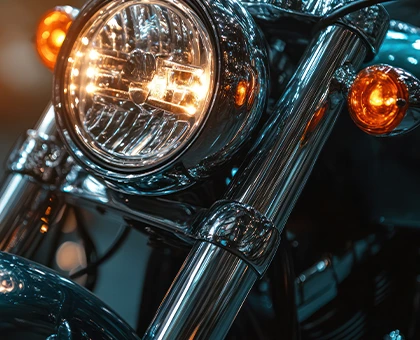
Lighting
LED Headlights and signal accessories
Installing halos, projectors, and indicators enhances style and visibility on the road.
Riding change
Electric and alternative propulsion
Internal combustion remains the main power source in individual biking. However, the transition fosters cleaner electric motorcycles, utilizing lithium-ion and hydrogen, which reduce exhaust emissions and carbon footprints. These powertrains open up new perspectives for sustainable urban mobility.
e-Mobility
Sustainable urban mobility and EVs
Mobility is not limited to combustion engines. Battery-powered solutions, scooters, e-bikes, and charging infrastructure contribute to flexible mobility. Adapting travel by combining two-wheelers reduces costs, traffic, and pollution while improving commuting efficiency.